
7.3L Powerstroke · 1994.5 – 2003
7.3 Powerstroke Repair & Diagnostics
The 7.3 earned its reputation, but these trucks are now 20+ years old. Age changes what fails — and how it should be diagnosed.
Working on the 7.3L Every Week
The 7.3L Powerstroke is a hydraulically actuated, electronically controlled injection system. That single fact drives most of what goes wrong on these trucks: when the high-pressure oil side isn't healthy, the engine behaves like it has a fuel or injector problem.
Because these trucks are decades into service, we also spend time on the things age brings — wiring and connector corrosion, degraded glow plug systems, tired batteries and cables, and years of accumulated oil seepage that hides the real leak.
A 7.3 that's maintained properly can keep working. The trick is separating what actually failed from what merely looks bad, and we do that with testing rather than assumptions.
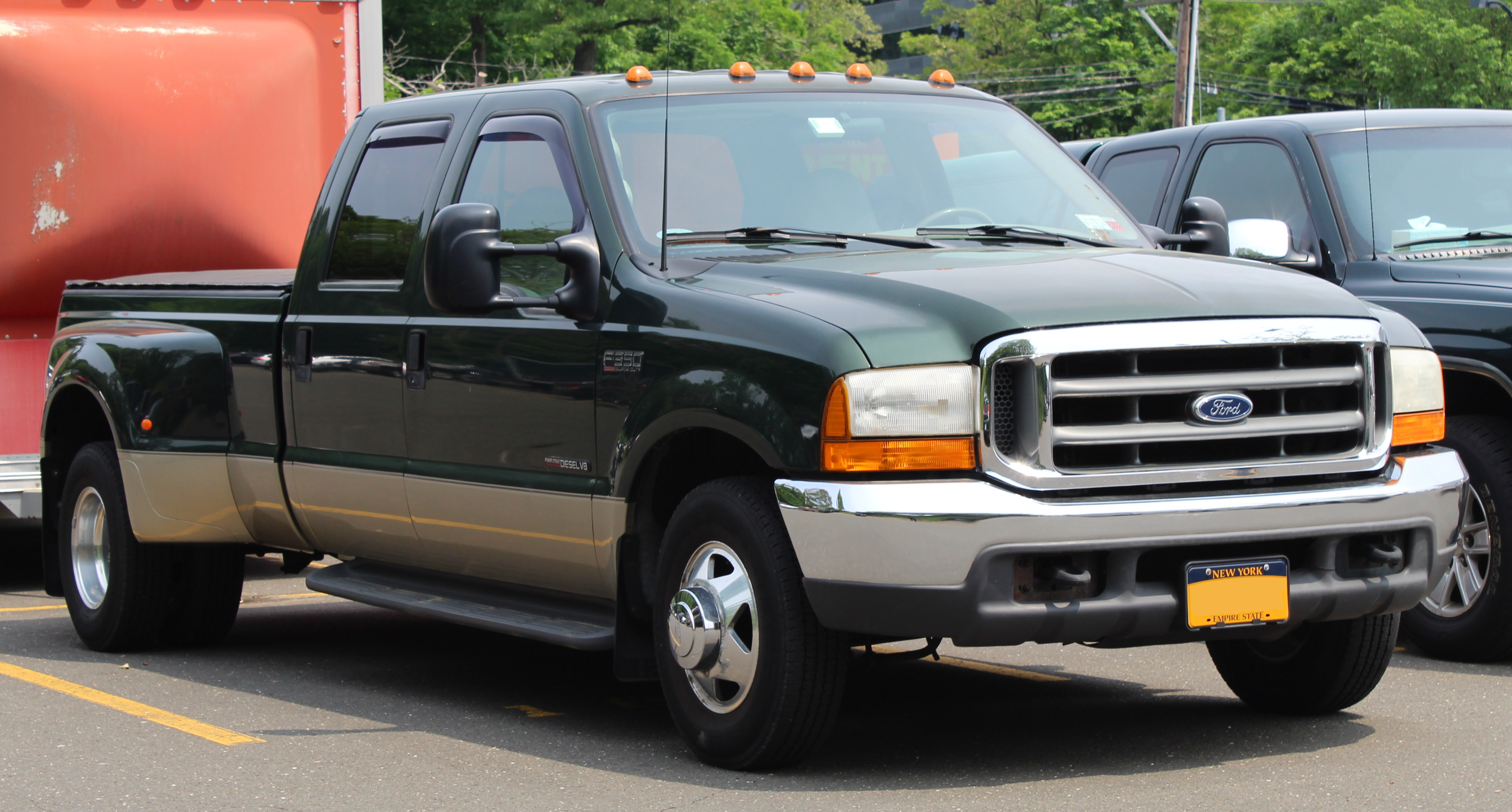
Common 7.3L Trouble Areas
These are the categories of failure we see most often on this platform. Nothing here is a diagnosis — every truck still gets tested before we recommend parts.
High Pressure Oil System
HPOP output, IPR control and leaks in the oil rail or fittings are behind a large share of hard start, no start and rough running complaints on this platform.
Fuel Supply & Filtration
Aging fuel bowl components, filtration neglect, restricted supply and regulator issues can starve an otherwise healthy engine.
Injectors
Sticking or worn injectors cause misfire, smoke and rough idle — but symptoms overlap with oil supply faults, which is why we test before quoting a set.
Glow Plug System
Glow plugs, the controller and the harness all degrade with age, producing cold-start complaints that come and go with the weather.
Oil Leaks
Turbo pedestal, high-pressure oil fittings, valve covers, front and rear seals. We trace leaks to the source instead of cleaning and guessing.
Electrical & Grounds
Corroded connectors, chafed harness sections, weak batteries and poor grounds produce intermittent faults that look like engine problems.
Symptoms We Hear on 7.3L Trucks
- —7.3 hard start when cold
- —7.3 no start / crank no start
- —Long crank before firing
- —Rough idle or miss
- —White or excessive smoke
- —Loss of power under load
- —Oil leak on the driveway
- —Fuel bowl leaks or fuel smell
- —Glow plug light concerns
- —Stalling at idle
- —Surging or hunting idle
- —Check engine light
How We Approach a 7.3L
- 01
Talk through the symptom — cold or hot, how long it's been happening, and what has already been replaced by you or another shop.
- 02
Scan the truck and record live data during the fault, including ICP and IPR behavior during crank on start complaints.
- 03
Test the systems the data implicates: oil pressure at crank, glow plug circuit, fuel supply pressure and injector performance.
- 04
Give you findings and a repair plan in writing, prioritized so you can address safety and reliability first.
7.3L Powerstroke Questions
Is a 7.3 Powerstroke still worth repairing?
Often yes. These trucks hold value well and parts availability is still strong. The honest answer depends on the body, frame and transmission condition as much as the engine — we'll tell you what we see.
My 7.3 cranks but won't start when it's cold. Where do you start?
Cold-only hard starts usually point toward the glow plug system or oil supply to the injectors. We measure ICP during crank and test the glow plug circuit rather than replacing parts in sequence.
Do you replace 7.3 injectors?
Yes, and we test first. Injector symptoms on this platform overlap heavily with oil supply and control faults, so we confirm before recommending a full set.
Get Your 7.3L on the Schedule
Diagnostics first, parts second. Book online or call and talk to someone who works on these trucks all day.